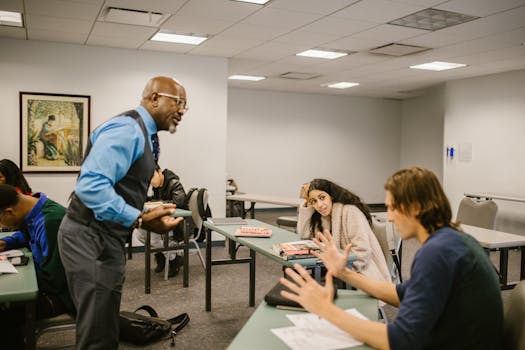
When we picture a special education teacher, what comes to mind? Perhaps a dedicated professional patiently guiding students through academic challenges, or someone meticulously crafting individualized lesson plans. While these are indeed core components, the reality of special education teacher duties is far more intricate, dynamic, and profoundly impactful than often portrayed. It’s a role that requires a unique blend of pedagogical expertise, emotional intelligence, advocacy, and a continuous commitment to learning and adaptation. The landscape of special education is constantly shifting, influenced by research, policy, and the ever-evolving needs of the students we serve. So, what truly defines these vital duties, and how are they stretching beyond traditional expectations?
Beyond the Bell: Crafting Individual Pathways to Success
At its heart, the fundamental duty of a special education teacher is to ensure that every student, regardless of their learning differences, has access to a high-quality education tailored to their unique needs. This isn’t a one-size-fits-all endeavor; rather, it’s a deeply personalized mission.
Designing the Blueprint: The Art of IEP Development
The Individualized Education Program (IEP) is more than just a document; it’s the cornerstone of a student’s educational journey. The special education teacher duties involved in IEP development are extensive. It begins with a comprehensive understanding of the student’s strengths, challenges, and learning styles, often gleaned through observations, assessments, and collaboration.
Assessment and Evaluation: Teachers must be adept at interpreting various diagnostic tools and classroom observations to pinpoint specific areas of need.
Goal Setting: Crafting measurable, achievable, relevant, and time-bound (SMART) goals is crucial. These aren’t just academic; they can encompass social, emotional, and behavioral development.
Service Planning: Determining the appropriate accommodations, modifications, and specialized instruction is a critical component. This might involve specifying assistive technology, frequency of support, or specific teaching strategies.
Collaboration: The IEP meeting itself is a team effort, bringing together parents, administrators, general education teachers, and support staff. The special education teacher often acts as the central facilitator, translating complex educational jargon into understandable terms for all stakeholders.
In my experience, the most effective IEPs are born from genuine dialogue and a shared vision, not just a checklist. It’s about building a partnership where parents feel heard and valued, and their insights are as critical as any standardized test score.
The Daily Dance: Implementing Differentiated Instruction
Once the IEP is in place, the real work of implementation begins. This is where the special education teacher duties truly come alive in the classroom. Differentiated instruction isn’t just a buzzword; it’s the practical application of the IEP’s principles.
Curriculum Adaptation: Teachers must be able to modify curriculum materials to make them accessible. This could mean simplifying language, using visual aids, providing graphic organizers, or breaking down complex tasks into smaller, manageable steps.
Varied Teaching Modalities: Recognizing that students learn in diverse ways, effective teachers employ a range of teaching methods – visual, auditory, kinesthetic, and tactile – to engage all learners.
Strategic Grouping: Flexible grouping allows teachers to target specific skills or provide peer support, ensuring that students receive instruction at their appropriate level.
Assistive Technology Integration: From simple pencil grips to sophisticated speech-to-text software, integrating assistive technology is a key duty to bridge learning gaps.
It’s a constant process of observation and adjustment. What works for one student might not work for another, even within the same disability category. This requires a deep well of creativity and pedagogical agility.
Building Bridges: Fostering Collaboration and Communication
The role of a special education teacher extends far beyond the four walls of their own classroom. They are essential connectors within the school community.
#### Bridging the General Education Divide
A significant aspect of modern special education teacher duties involves co-teaching and consultation with general education teachers. This collaborative approach ensures that students with disabilities are integrated effectively into the general education setting.
Co-Planning: Working alongside general education colleagues to plan lessons that accommodate diverse learning needs.
Co-Teaching Models: Implementing various co-teaching strategies (e.g., one teach/one assist, station teaching, parallel teaching) to maximize student engagement and support.
Consultation and Support: Providing guidance and resources to general education teachers on effective strategies for supporting students with IEPs.
This partnership is vital for fostering an inclusive school environment where all students feel a sense of belonging. It requires open communication, mutual respect, and a willingness to learn from each other.
#### The Parent-Teacher Partnership: A Crucial Alliance
Parents are invaluable allies in a student’s educational journey. Special education teachers are often the primary point of contact, tasked with maintaining open and consistent communication.
Regular Updates: Providing progress reports and sharing observations about the student’s academic and social-emotional development.
Problem-Solving: Working collaboratively with parents to address any challenges or concerns that arise.
Empowerment: Educating parents about their child’s specific needs and how they can support learning at home.
This relationship is built on trust and a shared commitment to the student’s well-being and success.
Navigating the Currents: Advocacy and Professional Growth
Being a special education teacher means being a fierce advocate for your students’ rights and needs. This often involves navigating complex systems and staying abreast of evolving best practices.
Student Advocacy: Ensuring students receive the services outlined in their IEPs and that their voices are heard.
Policy Awareness: Staying informed about local, state, and federal special education laws and regulations.
* Continuous Professional Development: Actively seeking out training, workshops, and research to enhance skills and knowledge in areas such as specific disabilities, new teaching methodologies, and behavioral interventions.
This dedication to lifelong learning ensures that teachers are equipped to meet the diverse and ever-changing needs of their students, making their special education teacher duties truly dynamic and rewarding.
Final Thoughts: The Heart of the Matter
The special education teacher duties are a complex, multifaceted, and deeply human endeavor. It’s about far more than just delivering instruction; it’s about fostering growth, building confidence, and championing the potential within every student. If you’re considering this path, or are already on it, remember that your role is pivotal. Continuously seek to understand not just the ‘what’ of teaching, but the ‘how’ and the ‘why’ for each individual student you serve.